



Each winter, the waters surrounding Los Cabos come alive with one of nature’s most extraordinary migrations. From December through April, thousands of whales journey from the cold waters of the Arctic to the warm, sheltered bays of Baja California Sur, making Los Cabos one of the world’s premier destinations for whale watching. This guide highlights the best vantage points, expert-led excursions and local insights to help visitors experience this awe-inspiring spectacle to the fullest.
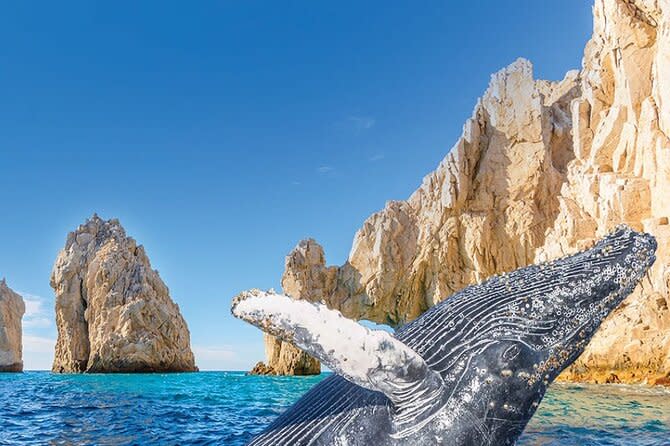
The Return of the Giants
Humpback and gray whales are the most commonly seen in Los Cabos, though lucky observers may also spot blue, fin or even orca whales gliding through the Sea of Cortés and the Pacific Ocean. These gentle giants migrate more than 6,000 miles each year to mate, give birth and nurture their young in the warm, calm waters that embrace the tip of the Baja Peninsula.
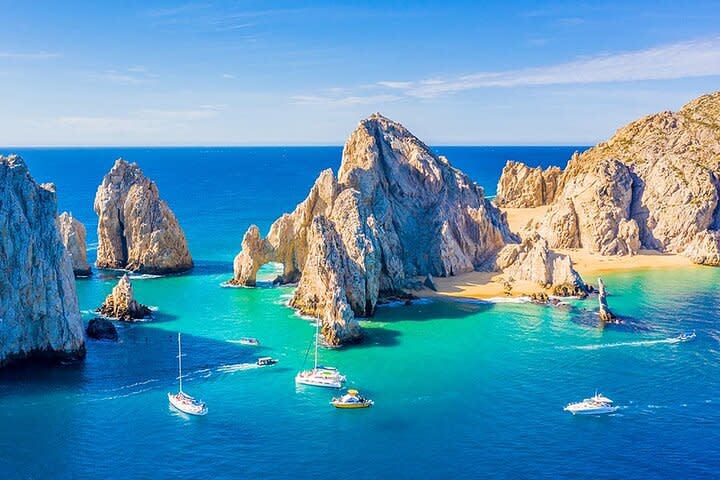
Prime Viewing Locations
Whether from land or sea, Los Cabos offers exceptional vantage points:
- Land’s End & The Arch – A timeless favorite. Watching whales breach against the backdrop of El Arco is a sight few forget. Early morning or sunset cruises offer the most dramatic light.
- Cabo San Lucas Marina – The departure point for many tours, this bustling harbor provides easy access to prime whale-watching waters within minutes of leaving shore.
- Cerritos Beach & Migrino – Along the Pacific coast, these beaches often offer whale sightings directly from the sand, especially in January and February.
- San José del Cabo Estuary & East Cape – For a more tranquil experience, head east, where the coastline feels wilder and sightings can be both intimate and frequent.

Recommended Whale-Watching Tours
Choosing a responsible operator enhances both the experience and the protection of these magnificent animals.
- Cabo Adventures and Pisces Charter Company continue to lead with expertly guided tours aboard eco-certified vessels, offering educational commentary and respectful wildlife practices.
- For a private, upscale experience, IN CABO offers custom charters complete with onboard dining and champagne toasts.
Insider Tips for 2025
- Timing Is Everything: January to March is peak season, with February offering the highest likelihood of close encounters.
- Morning Magic: Early tours often bring calmer seas and softer light, perfect for photography.
- Respectful Watching: Keep a safe distance and let the whales come to you. The most meaningful moments often happen naturally, without chasing or crowding.
- Dress Smartly: Even in sunny Los Cabos, ocean breezes can be cool, bring a light jacket, sunscreen and polarized sunglasses.
Each whale season brings new stories, new sightings and the same sense of wonder that has captivated travelers for generations. Whether witnessing a humpback’s dramatic breach from a boat or spotting a mother and calf gliding near shore, whale watching in Los Cabos is a reminder of nature’s grandeur, and of the region’s deep connection to the sea.
Explore all whale watching tours in Los Cabos.